Breathing Exercises for Seniors with COPD: Simple Techniques
Breathing exercises for seniors with COPD can be a gentle yet powerful way to manage symptoms and improve overall lung health. If you're a senior living with chronic obstructive pulmonary disease (COPD), incorporating these exercises into your daily routine may help you breathe more easily and feel more energized. In this guide, we'll explore practical techniques that are safe, effective, and easy to follow, empowering you to take control of your respiratory well-being.
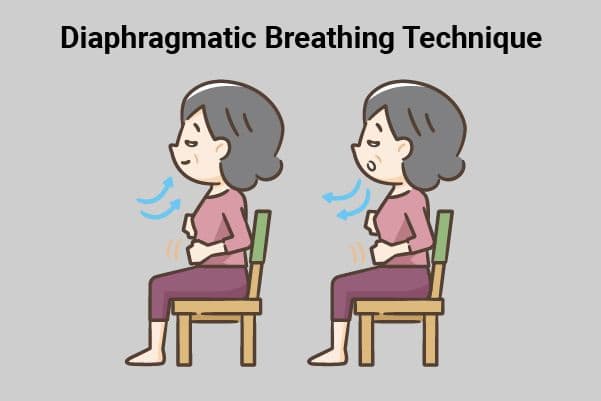
This image shows a senior engaging in a simple breathing exercise, highlighting how breathing exercises for seniors with COPD can promote relaxation and better airflow.
Understanding COPD and the Role of Breathing Exercises
Chronic obstructive pulmonary disease, or COPD, affects millions of seniors, making everyday activities more challenging due to shortness of breath. Breathing exercises for seniors with COPD are designed to strengthen the diaphragm and improve oxygen flow, reducing the strain on your lungs. By practicing these techniques regularly, you can alleviate symptoms like wheezing and fatigue, leading to a calmer, more active lifestyle.
Why These Exercises Work
- Strengthen respiratory muscles: Regular practice helps build endurance in the muscles used for breathing.
- Reduce anxiety: Deep breathing can lower stress levels, which often exacerbate COPD symptoms.
- Enhance oxygen efficiency: Techniques improve how your body uses oxygen, making daily tasks easier. For more on managing senior lung health, check out our article on senior respiratory care basics.
Key Benefits of Breathing Exercises for Seniors with COPD
Engaging in breathing exercises for seniors with COPD offers numerous advantages beyond just better breathing. These methods can boost your energy levels, improve sleep quality, and even enhance your mental clarity. Imagine starting your day with a sense of calm and control—it's achievable with consistent, gentle effort.
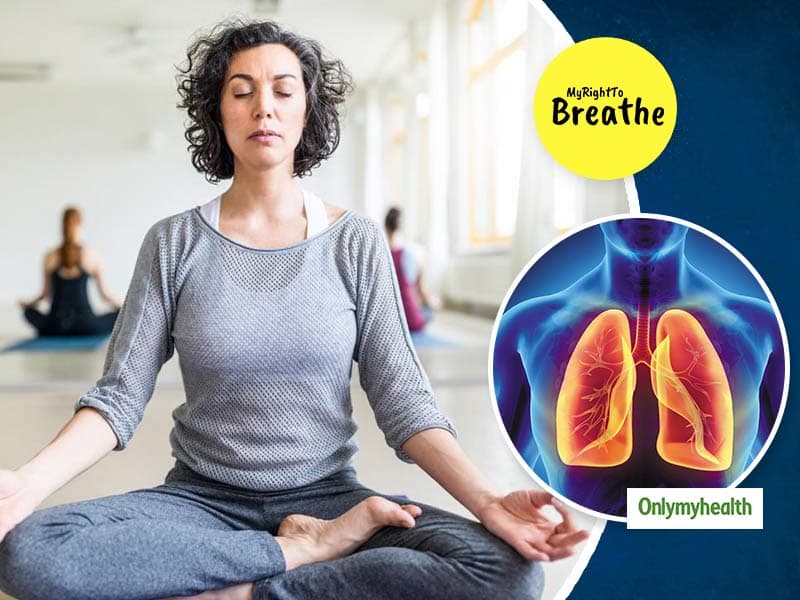
This illustration depicts the positive effects of breathing exercises, such as increased lung capacity and reduced breathlessness in seniors with COPD.
Actionable Tips to Get Started
- Start slow: Begin with short sessions to avoid overexertion.
- Track your progress: Keep a journal of how you feel after each exercise.
- Combine with other habits: Pair these with light walks for added benefits. Remember, as with any new routine, consult your doctor first for personalized advice.
Easy Breathing Exercises to Try at Home
Now that you understand the basics, let's dive into specific breathing exercises for seniors with COPD. These are simple, action-oriented techniques you can practice in the comfort of your home. Each one is designed to be calming and effective, helping you build strength over time.
Popular Techniques
- Diaphragmatic Breathing: Place one hand on your belly and the other on your chest. Inhale deeply through your nose for 4 counts, feeling your belly rise, then exhale slowly through pursed lips. Repeat 5-10 times.
- Pursed-Lip Breathing: Inhale through your nose for 2 counts, then exhale through pursed lips as if blowing out a candle for 4 counts. This helps slow your breathing rate and improve oxygen exchange.
- Segmented Breathing: Break your inhale into segments—inhale a little, pause, then continue—before a long exhale. This is great for managing shortness of breath during activities.
For additional support, explore our guide on advanced lung exercises for seniors to expand your routine safely.
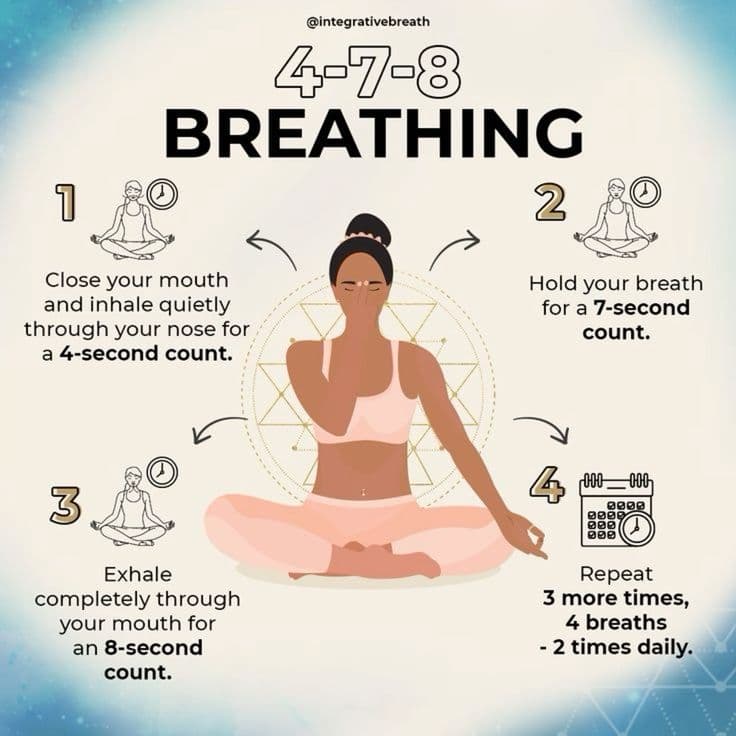
This image provides a visual step-by-step for breathing exercises, making it easier for seniors with COPD to follow along at home.
Safety Tips and Precautions for Effective Practice
While breathing exercises for seniors with COPD are generally safe, it's essential to approach them with care. Listen to your body and stop if you feel dizzy or uncomfortable. Always maintain a calm pace, focusing on steady, controlled breaths to maximize benefits without risk.
When to Modify or Stop
- If symptoms worsen: Consult a healthcare professional if exercises cause pain.
- Adapt for your needs: Use props like pillows for support if sitting is challenging.
- Monitor your health: Track any changes and discuss them with your doctor regularly.
When to Seek Professional Guidance
Breathing exercises for seniors with COPD are a helpful tool, but they're not a substitute for medical advice. If you're experiencing severe symptoms or new challenges, reach out to a specialist. A healthcare provider can tailor exercises to your specific condition for optimal results.
Take Action Today with Our Printable Guide
Ready to improve your breathing and lung health? Download our free printable guide to breathing exercises for seniors with COPD. It includes step-by-step instructions and a tracking sheet to help you stay consistent. Start incorporating these techniques into your routine for a calmer, more empowered life—just click the link below to get your copy.