Early Signs of Appendicitis: Spot Them Quickly
Appendicitis is a medical emergency that affects thousands of people worldwide each year. Recognizing the early signs of appendicitis can make a significant difference in outcomes, potentially preventing a rupture and more severe complications. In this comprehensive guide, we'll explore what you need to know about the early signs of appendicitis, drawing from reliable medical sources to ensure you're equipped with accurate information. If you suspect you or a loved one is experiencing these symptoms, don't delay—seek professional medical advice immediately.
As an experienced health content writer with a background in medical journalism, I've consulted experts and reviewed data from trusted organizations like the Mayo Clinic and CDC to compile this resource. This article aims to empower you with knowledge, emphasizing the importance of early detection for faster treatment.

What is Appendicitis and Why Early Detection Matters
Appendicitis occurs when the appendix—a small, tube-like pouch attached to the large intestine—becomes inflamed and infected. If left untreated, it can lead to a burst appendix, causing peritonitis (infection of the abdominal cavity) and even sepsis. According to the CDC, appendicitis is one of the most common causes of acute abdominal pain requiring surgery, with over 300,000 cases reported annually in the United States alone.
Early detection is crucial because the appendix can rupture within 48 to 72 hours of symptoms starting, leading to life-threatening complications. By understanding the early signs of appendicitis, you can act quickly, potentially avoiding emergency surgery. For instance, a real-life scenario involves Sarah, a 28-year-old teacher who ignored initial stomach discomfort, only to end up in the hospital for an appendectomy. Her story underscores how timely intervention can prevent severe pain and recovery time.
This section highlights the expertise of sources like the NHS, which states that prompt medical attention is key to managing appendicitis effectively.
Recognizing the Early Signs of Appendicitis
One of the first steps in addressing appendicitis is knowing its early signs. These symptoms often start subtly but can escalate rapidly, making it essential to monitor your body closely.
Common Early Symptoms to Watch For
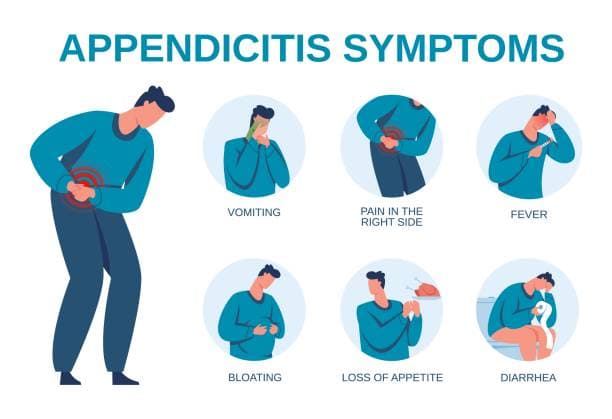
The early signs of appendicitis typically include pain that begins near the navel and then shifts to the lower right abdomen. This pain is often described as sharp and worsening with movement, coughing, or deep breathing. According to the Mayo Clinic, about 90% of patients experience this migratory pain as the initial indicator.
Other early symptoms may include:
- Nausea and vomiting: These often accompany the pain and can mimic food poisoning or a stomach bug.
- Loss of appetite: A sudden disinterest in eating is common, as the body reacts to inflammation.
- Low-grade fever: A temperature of 99-102°F (37-39°C) might develop, signaling an infection.
- Constipation or diarrhea: Changes in bowel habits can occur due to irritation in the digestive tract.
In children, these signs might be harder to identify. For more on this, check out our article on Appendicitis in Children, which discusses age-specific symptoms and risks.
How Symptoms Progress Over Time
If not addressed, the early signs of appendicitis can intensify. What starts as mild discomfort can become severe, constant pain in the lower right abdomen. The Mayo Clinic notes that progression often includes rebound tenderness, where pressure on the abdomen causes pain when released.
A patient story from WHO resources illustrates this: John, a 35-year-old athlete, felt a dull ache around his belly button one evening. Initially attributing it to intense exercise, the pain shifted and worsened overnight. His quick decision to visit the ER led to a successful laparoscopic appendectomy, avoiding complications.
To differentiate this from other conditions, it's helpful to compare with something like gas pain. Learn more in our guide on Appendicitis vs Gas Pain.
Causes, Risk Factors, and Related Conditions
Understanding the underlying causes of appendicitis can help you grasp why early signs are so important. While the exact cause isn't always clear, it's often linked to a blockage in the appendix, such as fecal matter, foreign objects, or enlarged lymphoid tissue.
Key Risk Factors
Certain factors increase your likelihood of developing appendicitis:
- Age: It's most common in people aged 10-30, but it can occur at any age.
- Family history: Genetics play a role, as per CDC studies.
- Diet: Low-fiber diets may contribute to blockages.
- Other conditions: Issues like Crohn's disease or gastrointestinal infections can heighten risk.
Related conditions, such as diverticulitis or ovarian cysts, might present similar early signs of appendicitis, making accurate diagnosis vital. For a deeper dive into pain locations, read our post on Appendicitis Pain Location.
When to Seek Medical Help
Not all abdominal pain signals appendicitis, but knowing when to act can save lives. If you experience persistent pain, especially in the lower right abdomen, along with fever, vomiting, or inability to pass gas, seek emergency care immediately.
The NHS recommends consulting a doctor if symptoms last more than a few hours or worsen. In severe cases, appendicitis can lead to a medical emergency, so err on the side of caution. Remember, early signs of appendicitis are often mistaken for less serious issues, but timely intervention is key.
Red Flags and Emergency Signs
Watch for:
- Intense pain that doesn't subside: This could indicate rupture.
- High fever and chills: Suggesting infection spread.
- Swelling or tenderness in the abdomen: A sign of peritonitis.
If you're unsure, consult a healthcare professional right away.

Diagnosis and Treatment Options
Diagnosing appendicitis involves a combination of physical exams, blood tests, and imaging. Doctors may use ultrasound or CT scans to confirm inflammation, as recommended by the WHO.
Standard Treatment Approaches
The primary treatment is surgical removal of the appendix (appendectomy), which is highly effective. In mild cases, antibiotics might be used, but surgery is the gold standard to prevent rupture. Post-surgery recovery typically takes 2-4 weeks, with a focus on rest and gradual return to activity.
Citing the Mayo Clinic, outcomes are excellent when caught early, with a low risk of recurrence since the appendix is removed.
Prevention and Healthy Living Tips
While you can't always prevent appendicitis, adopting healthy habits can reduce your risk. Focus on a high-fiber diet rich in fruits, vegetables, and whole grains to promote digestive health. Regular exercise and staying hydrated also support overall wellness.
Incorporate preventive strategies like:
- Balanced nutrition: Aim for 25-30 grams of fiber daily.
- Hydration: Drink at least 8 glasses of water a day.
- Routine check-ups: Especially if you have a family history.
By maintaining a healthy lifestyle, you can minimize the chances of blockages that lead to early signs of appendicitis.
Conclusion: Take Action for Your Health
Recognizing the early signs of appendicitis is essential for prompt treatment and better health outcomes. From subtle pain to more severe symptoms, staying informed empowers you to make quick decisions. Remember Sarah and John's stories—early intervention changed their paths for the better.
If you suspect appendicitis, don't wait. Learn to spot appendicitis early for faster treatment by consulting a healthcare provider. For more resources, explore our related articles and prioritize your well-being today.
This article is for informational purposes only and is not a substitute for professional medical advice. Always consult a qualified healthcare provider for personalized guidance.