GLP-1 Medications: Complete Guide to Weight Loss
GLP-1 medications have transformed weight management for millions of adults struggling with obesity. These injectable therapies mimic natural gut hormones to reduce appetite and improve blood sugar control.
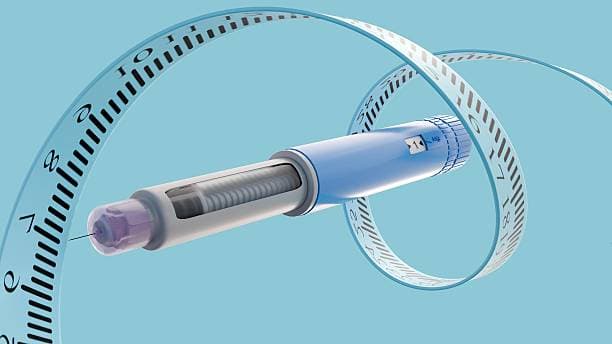
What Are GLP-1 Medications?
GLP-1 medications, also known as GLP-1 receptor agonists, are a class of drugs originally developed for type 2 diabetes. They are now widely prescribed for chronic weight management. Common examples include semaglutide (Ozempic, Wegovy) and tirzepatide (Mounjaro, Zepbound).
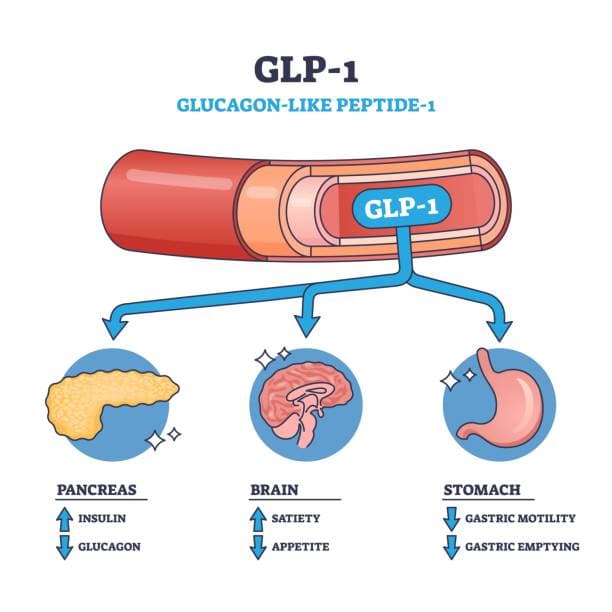
These medications work by activating GLP-1 receptors in the brain and digestive system. Patients often report feeling full longer and experiencing fewer food cravings.
How Do GLP-1 Medications Work for Weight Loss?
GLP-1 medications slow gastric emptying and signal the brain to reduce hunger. Clinical trials show average weight loss of 15–20% of body weight when combined with lifestyle changes.
Real Patient Experience
Maria, a 42-year-old teacher, lost 28 pounds over six months on semaglutide after years of unsuccessful dieting. “The constant hunger finally stopped,” she shared. Her story reflects many patients who combine GLP-1 medications with structured eating plans.
Popular Types of GLP-1 Medications
- Semaglutide (Wegovy): FDA-approved specifically for weight loss
- Tirzepatide: Dual GIP/GLP-1 agonist showing even greater results in studies
- Liraglutide (Saxenda): Daily injection option
For sustainable results, many patients pair these treatments with Weight Loss Diet Plans.
Benefits and Clinical Evidence
Major studies from the Mayo Clinic and New England Journal of Medicine confirm significant improvements in cardiometabolic health. Benefits include reduced risk of heart disease and better glycemic control.
Potential Side Effects and Safety
Common side effects include nausea, constipation, and fatigue. Rare but serious risks involve pancreatitis and gallbladder issues. Always discuss your medical history with a healthcare provider.
Learn more about specific concerns in our guide on Ozempic Side Effects Explained.
Who Should Consider GLP-1 Medications?
These therapies are typically recommended for adults with a BMI ≥30 or BMI ≥27 with weight-related conditions. They are not suitable for people with certain thyroid cancers or a history of pancreatitis.
Long-term success depends on ongoing lifestyle support. Explore our resource on Sustainable Weight Management for maintenance strategies.

Ready to take the next step? Download our free GLP-1 guide and consultation checklist to prepare for your doctor visit.