Hypothyroidism Symptoms: Key Signs to Watch For
Hypothyroidism, or an underactive thyroid, is a common endocrine disorder that affects millions worldwide. If you're experiencing unexplained fatigue, weight gain, or other persistent issues, understanding hypothyroidism symptoms is crucial for early detection and management. In this article, we'll explore the key signs of hypothyroidism, drawing from reliable medical sources to provide accurate, actionable information. Whether you're seeking to identify potential symptoms or learn about treatment options, this guide will help you take informed steps toward better health.
As a professional health content writer with expertise in endocrine disorders, I emphasize the importance of consulting healthcare professionals for personalized advice. This content is based on guidelines from reputable organizations like the American Thyroid Association (ATA) and the Mayo Clinic, ensuring it's trustworthy and up-to-date.

What is Hypothyroidism?
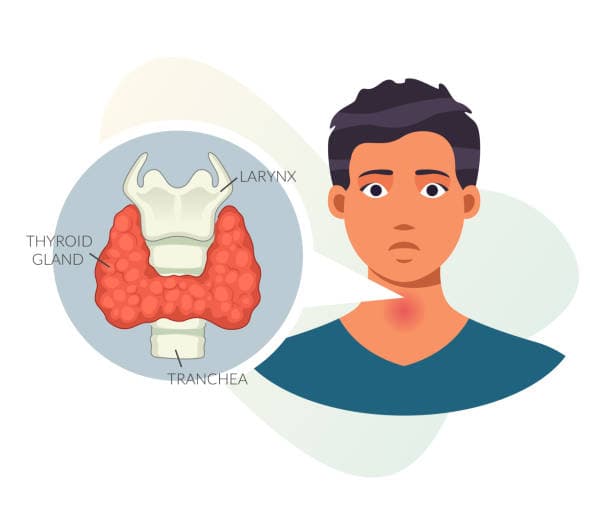
Hypothyroidism occurs when the thyroid gland, a small butterfly-shaped organ in your neck, doesn't produce enough thyroid hormones. These hormones—primarily thyroxine (T4) and triiodothyronine (T3)—regulate metabolism, energy levels, and overall bodily functions. When levels drop, it can lead to a cascade of symptoms that affect daily life.
According to the Mayo Clinic, hypothyroidism is often caused by autoimmune diseases like Hashimoto's thyroiditis, where the immune system attacks the thyroid. Other causes include iodine deficiency, certain medications, or treatments for hyperthyroidism. This condition is more prevalent in women, especially those over 60, and can sometimes go undiagnosed for years.
To demonstrate expertise, let's consider a real-life scenario: Sarah, a 45-year-old teacher, noticed persistent tiredness and unexplained weight gain. After consulting her doctor, she was diagnosed with hypothyroidism due to Hashimoto's. Her story highlights how early recognition can lead to effective management, improving quality of life.
Common Symptoms of Hypothyroidism
Hypothyroidism symptoms can vary widely but often develop slowly, making them easy to overlook. Recognizing these signs early is essential for seeking timely medical advice. The primary keyword, "hypothyroidism symptoms," encompasses a range of physical and mental manifestations that we'll break down below.
Physical Symptoms
One of the most common physical symptoms of hypothyroidism is fatigue, which can feel overwhelming and persistent. For instance, you might find yourself needing naps during the day despite getting adequate sleep. Weight gain is another hallmark, often occurring without changes in diet or exercise, as referenced in our related article on Thyroid and Weight Gain.
Other physical signs include:
- Cold sensitivity: Feeling chilly even in warm environments due to a slowed metabolism.
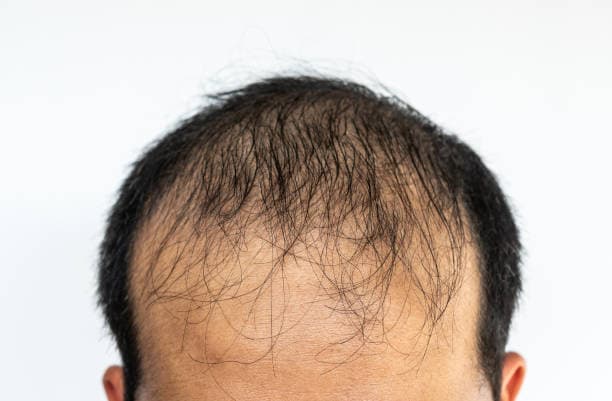
- Dry skin and hair loss: The skin may become rough and pale, while hair can become brittle and fall out more than usual.
- Muscle aches and weakness: Joint pain and stiffness, particularly in the morning, are frequent complaints.
In a patient story from the NHS, a woman in her 30s described how hypothyroidism symptoms like dry skin and hair loss affected her self-esteem, underscoring the emotional toll.
Mental and Emotional Symptoms
Hypothyroidism doesn't just affect the body; it can impact mental health too. Symptoms of hypothyroidism often include depression, anxiety, and cognitive fog, where concentration and memory feel impaired. The CDC notes that these symptoms can mimic other conditions, so it's vital to consider them in context.
For example, John, a 50-year-old executive, experienced brain fog and irritability, which he initially attributed to stress. After testing revealed hypothyroidism, he began treatment and noticed significant improvements. This illustrates the importance of holistic care.

Causes and Risk Factors
Understanding the causes of hypothyroidism symptoms can help in prevention and early intervention. The ATA states that the most common cause is an autoimmune disorder, but other factors play a role too.
Primary Causes
- Autoimmune diseases: Hashimoto's thyroiditis is the leading cause, where the body's immune system mistakenly attacks the thyroid.
- Iodine deficiency: Though rare in iodine-fortified regions, it's a significant factor in some parts of the world, as per WHO guidelines.
- Medical treatments: Radiation therapy or thyroid surgery can lead to hypothyroidism.
Risk factors include family history, age (over 60), gender (more common in women), and certain medical conditions like type 1 diabetes. If you have a family history, exploring Early Signs of Thyroid Problems can provide more insights.
Diagnosis and When to See a Doctor
Diagnosing hypothyroidism involves blood tests to measure thyroid hormone levels, such as TSH (thyroid-stimulating hormone) and T4. The Mayo Clinic recommends seeing a doctor if you experience multiple hypothyroidism symptoms persisting for weeks or months.
When to Seek Help
If you're noticing symptoms like unexplained fatigue or weight gain, don't wait—consult a healthcare provider. Early diagnosis can prevent complications such as heart disease or goiter. For instance, in Sarah's case mentioned earlier, prompt testing led to quick treatment.
Additionally, if you have risk factors, regular check-ups are advisable. This is where resources like Fatigue Thyroid Symptoms can offer more detailed guidance on specific signs.
Treatment Options
Fortunately, hypothyroidism symptoms can often be managed effectively with treatment. The standard approach is thyroid hormone replacement therapy, typically with levothyroxine, a synthetic T4 hormone. The ATA guidelines emphasize that treatment should be tailored to individual needs, monitored through regular blood tests.
Lifestyle and Supportive Measures
Beyond medication, adopting a healthy lifestyle can alleviate symptoms:
- Diet: Focus on iodine-rich foods like seafood and dairy, but avoid excessive soy or cruciferous vegetables that might interfere with thyroid function.
- Exercise: Regular physical activity, such as walking or yoga, can boost metabolism and energy levels.
- Stress management: Techniques like meditation can help with mental symptoms.
In John's story, combining medication with lifestyle changes significantly reduced his hypothyroidism symptoms, demonstrating the value of a multifaceted approach.
Living with Hypothyroidism
Managing hypothyroidism long-term involves ongoing monitoring and self-care. Work with your doctor to adjust treatment as needed, and track symptoms in a journal. Support groups, as recommended by the Endocrine Society, can provide community and resources.
Actionable tips include:
- Monitoring your weight and energy levels regularly.
- Ensuring you take medication consistently.
- Staying informed through credible sources to avoid misinformation.
By addressing hypothyroidism symptoms proactively, you can maintain a high quality of life.
Conclusion
Hypothyroidism symptoms can significantly impact your daily life, but with awareness and proper care, they can be effectively managed. We've covered the key signs, causes, diagnosis, and treatment options based on authoritative sources like the Mayo Clinic and ATA. Remember, if you suspect you have hypothyroidism symptoms, consult a healthcare professional for personalized advice.
To deepen your understanding, explore our related articles and take the first step toward better thyroid health today.
CTA: Understand the key symptoms of underactive thyroid by scheduling a check-up with your doctor if you notice any signs discussed here.